
How to use Dopamine NutrientsUpdated 8 months ago
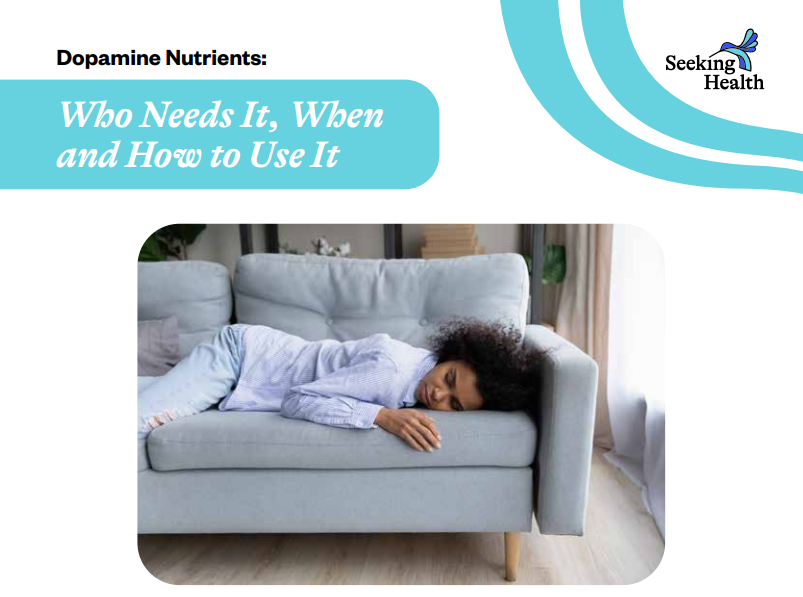
There are days when you’re unmotivated, lazy, and just binge on junk food. Sometimes, you just want to relax and not care about anything—and take a rest from it all.
Go for it!
However, when these feelings become consistent in your life, there’s an issue. You may start to feel sad, leading to low self-esteem and obesity, because you find yourself unable to exert any self-control. Dopamine Nutrients is designed to support healthy dopamine levels. The key is knowing when you need it and when you don’t.†
Genetic Testing and My Dopamine SNPs
“I have a COMT V158M genetic variation, which reduces my ability to break down dopamine. That means I cannot take tyrosine.”
“I have a COMT V158M genetic variation, which speeds up the breakdown of dopamine. This means I need to take more tyrosine.”
It’s true that genetics account for 40-50% of your dopamine levels. While this is significant, epigenetics accounts for the majority: 50-60%.
What is epigenetics?
Epigenetics is what influences the function of your genes. It is the boss of genetic expression. Essentially, epigenetics consists of your lifestyle, the food you eat, and the environment you’re in each day.4
To put it more bluntly, you control your genetic expression through what you do each day.
If your lifestyle, diet, and environment support dopamine levels, then your dopamine levels are supported, regardless of your dopamine genetics.
If your lifestyle, diet, or environment are not supportive of dopamine levels, then it’s likely your dopamine levels are going to be low, regardless of your dopamine genetics.
While genetic testing is informative, it cannot be used to determine when you need a particular supplement. What matters most are your current signs and symptoms.
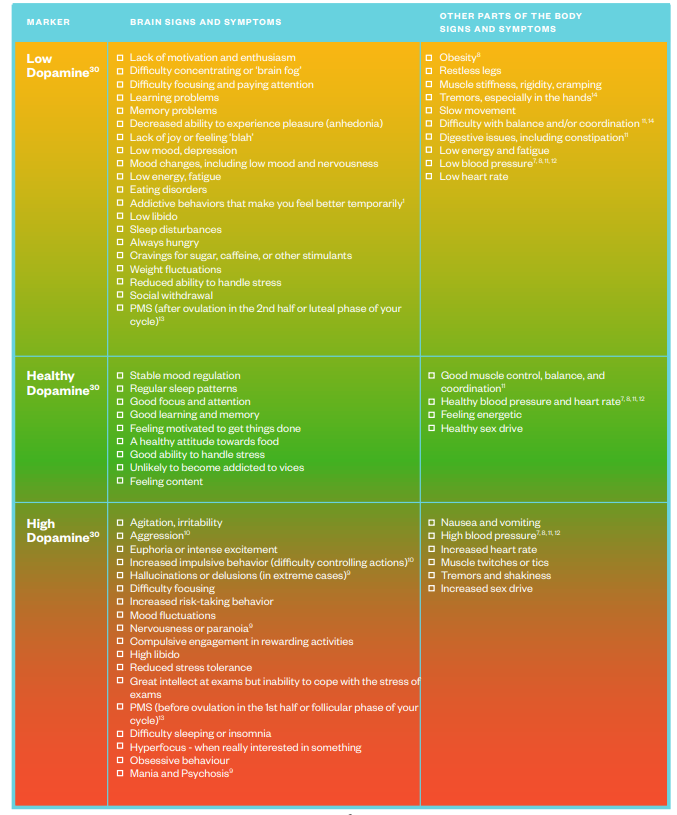
"It’s possible to experience varying dopamine levels from day to day and even at different times of the day. This is why it’s important to understand the signs and symptoms of low, healthy, and high dopamine levels."
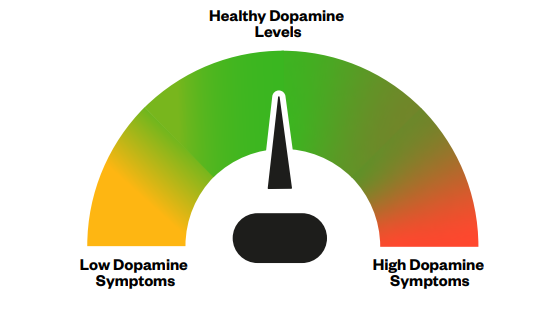 How is your Dopamine doing? Check
Use the table below to identify the majority of your current experiences.
 Support Healthy Dopamine Levels with Dopamine Nutrients†
When dopamine levels are low, so are you.
Dr. Lynch formulated Dopamine Nutrients to support healthy dopamine levels.* This is not a supplement you take every day. Only use Dopamine Nutrients if experiencing low dopamine, as Dopamine Nutrients supports healthy dopamine levels.†
Dopamine Nutrients is suitable for:
• Individuals experiencing signs of low dopamine
• Methyl sensitive individuals
• Vegetarians2, 5
• Breastfeeding mothers
• Children over the age of 4
How to Use Dopamine Nutrients:
Day 1:
The first time taking it is the most powerful, so start with a smaller amount than suggested on the bottle.
Start with 1 capsule after a protein-based breakfast. You should feel something within an hour.
If not feeling much after an hour, take the second capsule.
You should feel signs of healthy dopamine levels. Refer to the chart above.
Many individuals experience healthy dopamine levels by taking just 1-2 capsules of Dopamine Nutrients.
Some don’t.
Some people take 2 capsules of Dopamine Nutrients and don’t experience healthy dopamine levels. If this happens, it’s a sign your brain may be deficient in other nutrients necessary to support healthy dopamine levels.
Stack With Brain Nutrients (if needed):
If, after taking 2 capsules of Dopamine Nutrients, nothing is felt, then add in Brain Nutrients. Brain Nutrients is a supplement designed to support the healthy production of biopterin, which is a cofactor needed for the production of dopamine.†
Start with ½ lozenge of Brain Nutrients. Bite it a few times, let it completely dissolve, hold for 15 seconds, then swallow.
Now you should feel something in 20 minutes.
If not, take another ½ lozenge of Brain Nutrients.
If still nothing after 20 minutes, then take another ½ lozenge of Brain Nutrients.
Do not take more than 2 full lozenges of Brain Nutrients unless advised by your healthcare professional.
Typical Suggested Usage Schedule:
You may not need to support your dopamine levels every day. Pulse it.
These are examples of various common usage schedules that people use successfully:
• Take 1-2 capsules each day for 5 days, and do not take them on weekends
• Take 1-2 capsules every other day
• Take 1-2 capsules every two days
• Take 1-2 capsules only on an as-needed basis:
- Big study days, big project days around the house, or just during times when you feel low dopamine levels and want to support healthy dopamine levels.†
• Take 1-2 capsules after ovulation
Women with PMS:
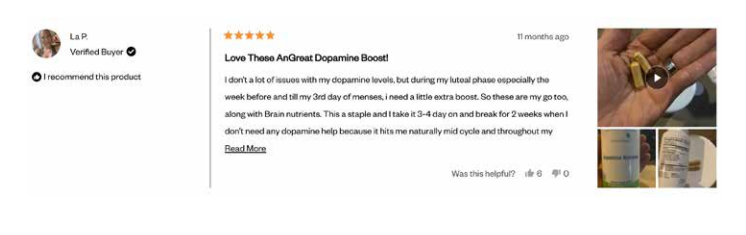
Women who experience PMS symptoms after ovulation in the 2nd half or luteal phase of their menstrual cycle (just before their period starts) may need more dopamine support during this time.
If you are taking 1 capsule of Dopamine Nutrients in general, you may want to increase it to 2 capsules during this part of your cycle.†
This is because there is a large drop of estrogen after ovulation. Big drops of estrogen negatively affect dopamine levels by dropping them as well.
For people who are more sensitive, an alternative usage schedule is suggested.
You can open up a capsule and mix ¼ or ½ of the powder content together with a teaspoon of raw honey or organic apple puree.
- For younger kids, 4 to 8 years old, start with ¼ capsule.
- For kids ages 9 to 13, start with ½ capsule.
- If sensitive in general, start with ¼ capsule.
- Once taken, observe your child or yourself over the course of the day, starting within 30 minutes of taking.
- Use only on an as-needed basis. Some days you’ll need more and other days, you’ll need less.
- You can always increase it to a full serving size but can’t take it back after consuming it.
- Going slow and monitoring your response is always the best practice.
- Do not take within 6 hours of bedtime as it may interfere with sleep.
- Take as recommended by your health
Real-life Usage Scenarios:
• A 48-year-old woman takes 1 capsule after ovulation and the start of her menses. She typically has a low mood and low motivation at this time, so she wants to support healthy dopamine levels.†
• A 20-year-old college student takes 1 capsule of Dopamine Nutrients and 1 capsule of Optimal Focus† when he has big demanding study days.
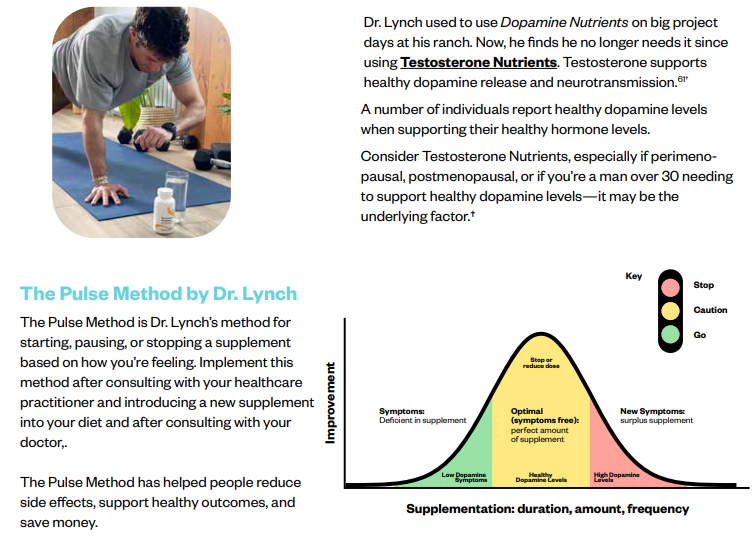
• A 40-year-old woman noticed issues with her memory, which is associated with low dopamine. When taking Dopamine Nutrients, she experiences a healthy memory and mood.† An Interesting Discovery While it’s clearly understood that low estrogen levels are associated with low dopamine levels62, it isn’t clear about testosterone.
If testosterone levels are low, then dopamine levels may be low as well.
7 Habits That Further Optimize Your Dopamine
To get the best results from Dopamine Nutrients, you can follow easy lifestyle tips that help keep your dopamine levels healthy and make you feel better overall:
1. Start the day with a healthy, protein-based breakfast. 2, 5 Don’t start your day with caffeine, sugar, or carbs.
2. Overall, eat a balanced diet with enough protein in every meal. Protein supports healthy dopamine production.2, 5
3. Get more sunlight and vitamin D. Vitamin D increases the ability of your brain to release dopamine and support a healthy mood.6, 33†
4. Exercise regularly. Exercise increases dopamine release in your brain, so you feel good and accomplished afterward, even though starting may have been a struggle.3
5. Spend time in nature. Reducing stress helps balance dopamine.15
6. Get enough quality sleep. Sleep deprivation is associated with excess dopamine released in the brain and, simultaneously, reduced dopamine response.31, 32
7. Limit addictive activities like social media, gaming, alcohol, gambling, shopping, and smoking. These types of behaviors make your brain used to dopamine surges and feeling ‘pleasure,’ which you end up chasing.
Life Events Associated with Low Dopamine
Addictions and Dopamine: From Gambling, Gaming, Alcohol, Drugs, or Food
Dopamine is the main neurotransmitter involved in addictive-type behaviors. The addictive behavior is different for everyone, but the mechanism is the same.
When you engage in pleasurable activities, dopamine is released. Repeated exposure to these activities and consequent dopamine release leads to changes in the wiring of your brain. It becomes easier to repeat this behavior without even thinking about it.
Your brain adapts by reducing the number of dopamine receptors you have, so now you need even more of the behavior to get the same level of pleasure and reward. Bad habits are formed that contribute to addiction.39, 40, 41
Eating Disorders and Dopamine: Bulimia
Bulimia is characterized by abnormalities in brain dopamine systems, similar to those found in substance use disorders. These abnormalities include altered dopamine receptor binding and release in the brain, which is crucial for reward processing.49, 50
This leads to binge eating, which increases dopamine release and makes you feel good—at least temporarily. Certain dopamine-related genetic polymorphisms or SNPs have been associated with bulimia, such as the DAT dopamine transporters. Slower DAT activity can lead to increased dopamine levels, which further sensitize the brain to food-related stimuli.51, 52
Mood and Dopamine: Low Mood, Lack of Motivation, Feeling Blah
Low dopamine levels are associated with a loss of pleasure and decreased motivation. Dopamine is essential to transform ‘liking’ into ‘wanting.’ This process is impaired when experiencing very low moods, which leads to reduced motivation and pleasure in activities.55, 56, 57, 58
Individuals with very low mood often experience impaired effort-based decision-making, which is influenced by dopamine levels. This makes it difficult for them to engage in goal-directed behaviors.59
Learning Disabilities and Dopamine: General Learning Difficulties
Dopamine plays an important role in procedural memory in the early learning phases, where modulating behaviors are based on reward. When you first start to learn how to tie your shoelaces as a child, you get positive reinforcement from your parents. This ‘reward’ encourages you to keep learning and improving on how to tie your shoelaces better and faster or ride your bike without training wheels.42, 43, 44, 45
Dopamine also plays an important role in sequence learning, which is the order in which events occur. This would include learning how to play the piano or learning how to dance.46, 47
Inattention Learning Disabilities and Dopamine
Inattentive individuals often have reduced numbers of dopamine receptors and increased dopamine transporter density, leading to lower dopamine levels in certain brain regions.53, 54
Lower dopamine contributes to inattention and impulsivity, typically seen in learning disorders. Many prescribed medications for Inattentive type learning disabilities increase dopamine levels by blocking dopamine reuptake. Of course, these can have other undesirable side effects.
Spectrum Disorder and Dopamine
Disruption in dopamine activities does not just contribute to addictive and inattentive-type behaviors. Reduced reward processing and motivation can also contribute to challenges with social interaction and repetitive behaviors.60
Parkinson’s Disease: The Death of Dopamine-Producing Cells14
Dopamine, or rather the lack of dopamine, plays a key role in the development of Parkinson’s disease.
• Dopamine is not broken down properly, and toxic metabolites (neurotoxins) are formed that damage and destroy dopamine-producing brain cells.
• Dopamine is not stored safely in vesicles within dopamine-producing brain cell. This free dopamine is converted into a neurotoxin called quinones, which damages and destroys dopamine-producing brain cells.
• Organophosphate exposure interferes with acetylcholine function, which reduces dopamine release.48
• Other toxins or excessive brain inflammation damages or destroys dopamine-producing brain cells.
All these scenarios can lead to low dopamine levels in the long term and increase the risk of Parkinson’s disease.
Interactions with Medications and Recreational Drugs
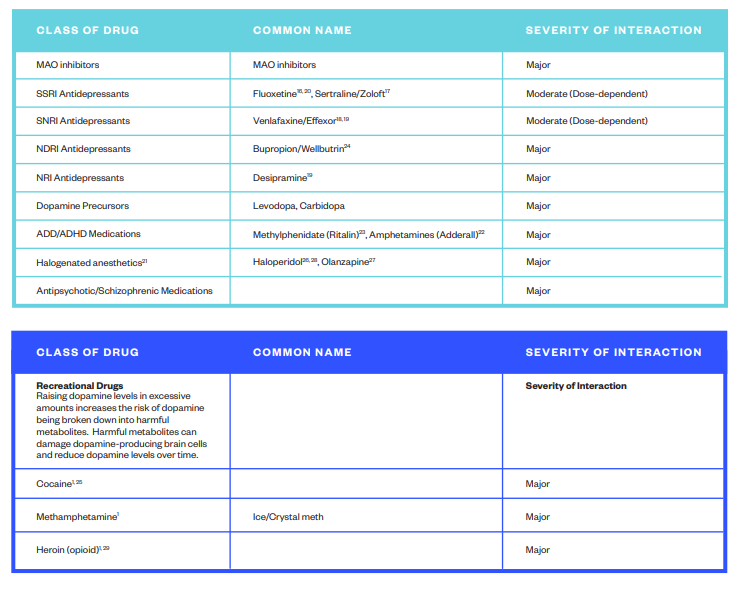
Do NOT use Dopamine Nutrients if taking these medications or drugs.
Taking Dopamine Nutrients with certain medications may increase dopamine levels too much and amplify dopamine actions. This results in high dopamine signs, which may be harmful.
The list below is not exhaustive. Talk with your healthcare professional to ensure there are no interactions.
While taking recreational drugs is never a good idea, certain drugs specifically target dopamine and should not be used together with Dopamine Nutrients.
Caution: Blood pressure medications
It’s not contraindicated to use Dopamine Nutrients if on blood pressure medications. However, it is important to know of possible interactions. Monitor your blood pressure and always consult with your healthcare professional about product interactions. Healthy dopamine levels may lower blood pressure even further.7, 8, 11, 12
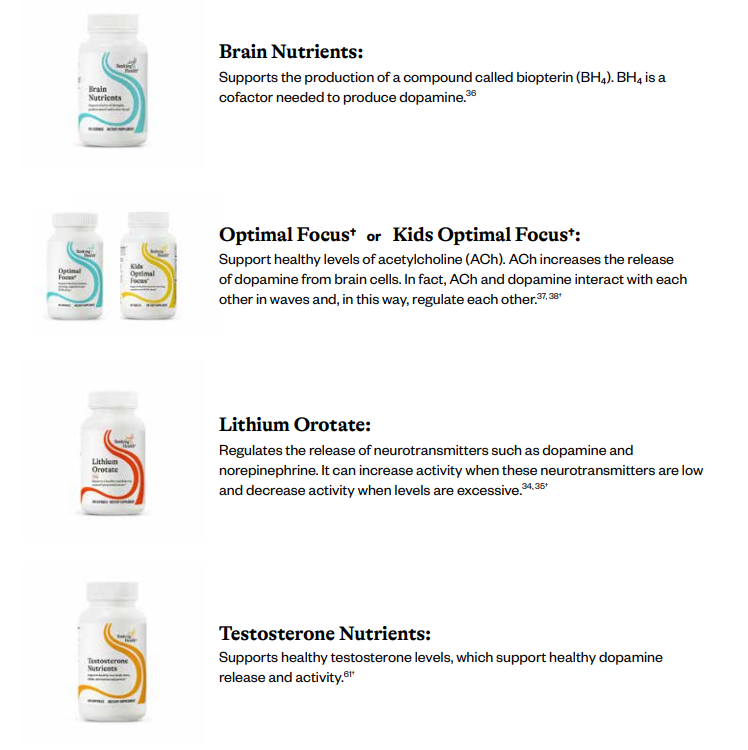
Supportive supplements for Dopamine Nutrients:
 FAQ’s
FAQ’s
Can I use this for my kid?
Yes, as long as your child is over the age of 4.
How will I know it’s working?
Typically, within an hour, you’ll find yourself in a good mood, productive, wanting to do something, or not gravitating towards sweets as often as you usually do.†
It may be another family member or friend that says, ‘Wow. You seem upbeat today!’
Do I take this every day?
Dopamine Nutrients should be used on an as-needed basis. Take when experiencing low dopamine symptoms (in the chart above) and need to support healthy dopamine.†
Suggested use says to take 5 days on with 2 days off. Is that a must?
The key is to use it as needed, and if not, don’t use it. If you need it daily, use it for up to 5 consecutive days with a 2-day break. It’s essential to rest your brain from nootropics stimulating your brain. If your brain is constantly receiving stimulation, it will protect itself by not responding to the supplement, thereby losing effectiveness.
Can I take more or less than suggested? You can take less than suggested. If you are sensitive to supplements, you can start with ½ capsule instead.
If taking 2 capsules of Dopamine Nutrients does not produce results, it is unlikely that taking more will. In this case, there is likely a deficiency of other nutrients.
Stacking Brain Nutrients with Dopamine Nutrients usually provides the missing link for many individuals.†
Can this be combined with any other product(s)?
Most of the time, taking only Dopamine Nutrients is enough to support healthy dopamine levels.†
There are times when stacking additional nutrients provides additional benefits. “ ”
"Important:
When stacking additional supplements with Dopamine Nutrients, use a lower suggested serving size of each. The combined synergistic effects of the added nutrients may amplify the effects."
Here are some common scenarios people use:
• Brain Nutrients + Dopamine Nutrients: Supports healthy dopamine levels when taking Dopamine Nutrients alone isn’t sufficient.†
• Optimal Focus† + Dopamine Nutrients: Supports healthy learning, memory, and drive while studying for long hours. They also support healthy productivity while working on projects around the house.†
• Serotonin Nutrients + Dopamine Nutrients: Supports a healthy mood, especially during dark months.†
• Testosterone Nutrients + Dopamine Nutrients: Supports healthy dopamine levels and activity at a deeper underlying level.†
Refer to the ‘How to take Dopamine Nutrients’ section for more guidance.
There are also other supplements that may maximize the effect of Dopamine Nutrients if you have deficiencies or an extra need for these nutrients.†
Refer to the ‘Supplements that Complement Dopamine Nutrients’ table below.
Dopamine Nutrients was helping me, but now it’s not. What happened?
There are so many variables, especially as we push one system and ignore another. Some things to consider:
• Make sure you’re taking breaks each week. Take 5 days on and 2 days off. This is important so you don’t ‘numb’ your dopamine receptors.
• Check your homocysteine levels. You want them around 6 to 8 umol/L. If homocysteine levels are too high, dopamine synthesis is negatively affected.
• Stack with Brain Nutrients to support healthy dopamine production effectively.*
• Check your testosterone levels. If low, you may need to support healthy testosterone levels with Testosterone Nutrients.
• Talk with your healthcare professional about digging deeper.
I have signs of low dopamine, but when I take Dopamine Nutrients, I end up with signs of high dopamine. Why?
It sounds like when you take Dopamine Nutrients, your dopamine levels increase, but become ‘trapped’ with nowhere to go except in the wrong direction. This may result in high dopamine.†
This typically occurs when you have difficulty breaking down dopamine and/or converting dopamine into norepinephrine. Common reasons for this include:
• Imbalances between the minerals copper and zinc
• Gut dysbiosis and overgrowth of certain bacterial species
• Poor methylation
• A dirty MTHFR enzyme
• A dirty COMT enzyme
• A dirty MAOA/B enzyme
You may want to do some lab testing with a healthcare professional to help determine what could be interfering with your body’s ability to maintain healthy dopamine levels.
The Dopamine Lab Testing Guide is available for members of Seeking Health
• Lists common lab markers needed to evaluate dopamine levels
• Identifies reasons why each lab marker may be too high or too low
• Provides suggestions on how to restore each lab marker to a healthy level
I’m experiencing side effects with Dopamine Nutrients. I don’t understand why, as my low dopamine signs seem to indicate I need this supplement.
Other factors may make you react to a supplement that, at face value, seems important to you.
It may be that:
• The timing of taking Dopamine Nutrients is not right for you.
• You have other biochemical imbalances that need to be addressed first.
• You have gut microbiome imbalances that are shifting Dopamine Nutrients’ ingredients into alternate pathways away from dopamine production.
• Increasing dopamine has a domino effect on other neurotransmitters, such as serotonin or acetylcholine, which have not been taken into account.
It may be time for you to work with a healthcare professional to help you navigate this journey.
Gain a Deeper Understanding
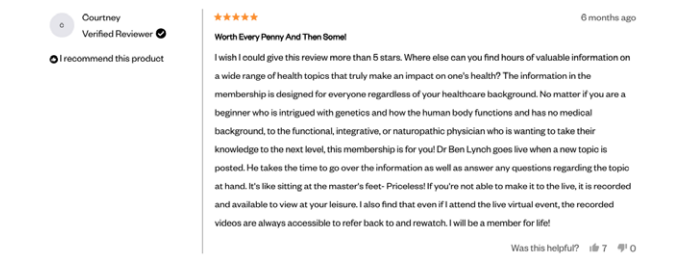
Unlock uncensored insights from Dr. Lynch, and his research team, with a Seeking Health Membership.
Become a Member and Gain Access to:
• Lab testing recommendations and interpretations
• Monthly informative presentations from Dr. Lynch
• Library of hours of educational videos from Dr. Lynch
• Uncensored product recommendations
• Uncensored How-To guides
 Accessing your exclusive content is quick and easy:
• Purchase the Seeking Health Membership
• Go to My Account > My Education
• Enjoy instant access to all your exclusive resources!
References
https://en.wikipedia.org/wiki/Serotonin%E2%80%93dopamine_reuptake_inhibitor
https://www.psychdb.com/meds/antidepressants/snri/venlafaxine
https://www.sciencedaily.com/releases/2023/10/231030110741.htm
https://nida.nih.gov/publications/drugs-brains-behavior-science-addiction/drugs-brain
https://www.yalemedicine.org/news/how-an-addicted-brain-works
https://www.biorxiv.org/content/10.1101/2023.09.01.556003v1.full
https://www.jhunewsletter.com/article/2017/02/examining-motor-learning-in-classical-piano
https://www.frontiersin.org/journals/public-health/articles/10.3389/fpubh.2018.00141/full